คุณกำลังมองหาอะไร?
ในภาคอุตสาหกรรมอากาศอัด เครื่องอัดอากาศแบบสกรูและแบบลูกสูบเป็นสองรุ่นที่ถูกเปรียบเทียบมากที่สุดในการตัดสินใจจัดซื้อ การเลือกรุ่นที่ไม่เหมาะสมไม่เพียงทำให้เกิดการใช้พลังงานและค่าใช้จ่ายในการบำรุงรักษาที่สูงขึ้นเท่านั้น แต่ยังอาจส่งผลให้เกิดความสูญเสียจากเวลาหยุดทำงานของการผลิตอย่างมีนัยสำคัญ บทความนี้จะวิเคราะห์ความแตกต่างที่สำคัญระหว่างเครื่องอัดอากาศแบบสกรูและแบบลูกสูบอย่างเป็นระบบในห้ามิติ—ปริมาตรการจ่ายอากาศ ระดับเสียง อายุการใช้งาน ประสิทธิภาพด้านพลังงาน และค่าใช้จ่ายในการบำรุงรักษา—และนำเสนอต้นไม้การตัดสินใจสำหรับการเลือกใช้งานตามประเภทอุตสาหกรรม เพื่อช่วยให้คุณตัดสินใจจัดซื้อได้อย่างเหมาะสมที่สุด
ข้อสรุปสำคัญ: สำหรับเครื่องอัดอากาศแบบสกรูที่ทำงานมากกว่า 4 ชั่วโมงต่อวันและมีข้อกำหนดด้านความเสถียรของการจ่ายก๊าซที่เข้มงวด ต้นทุนรวมตลอดอายุการใช้งาน (TCO) จะเหนือกว่าเครื่องอัดอากาศแบบลูกสูบอย่างมีนัยสำคัญภายใน 2–3 ปี เครื่องอัดอากาศแบบลูกสูบมีข้อได้เปรียบเฉพาะในการใช้งานแบบไม่ต่อเนื่อง สถานการณ์แรงดันสูง หรือกรณีที่งบประมาณจำกัดอย่างมาก
|
มิติการเปรียบเทียบ |
เครื่องอัดอากาศแบบสกรู |
เครื่องอัดอากาศแบบลูกสูบ |
ข้อมูลเชิงลึกด้านการจัดซื้อ |
|
ปริมาตรการจ่ายอากาศและการจ่ายลม |
1~100 m³/นาที การไหลของอากาศต่อเนื่องและไม่มีจังหวะกระเพื่อม ความผันผวนของแรงดัน ≤±0.02 MPa |
รุ่นทั่วไป ³/นาที การระบายอากาศเป็นจังหวะ ความผันผวนของแรงดัน ±0.1 MPa |
สำหรับการผลิตต่อเนื่อง ให้เลือกระบบขับเคลื่อนแบบสกรู สำหรับการไหลปริมาณน้อยแบบไม่ต่อเนื่อง สามารถพิจารณาเครื่องแบบลูกสูบได้ |
|
ระดับเสียง |
60~75 dB(A) สามารถติดตั้งในพื้นที่โรงงานได้ |
85~100+ dB(A) จำเป็นต้องมีห้องเซิร์ฟเวอร์เฉพาะที่มีระบบป้องกันเสียง |
หากไม่มีห้องเซิร์ฟเวอร์อิสระ ให้เลือกใช้ระบบขับเคลื่อนแบบสกรูเป็นลำดับแรก |
|
อายุการใช้งานรวม |
60,000–100,000 ชั่วโมง (16–27 ปี) โรเตอร์หลักแทบไม่มีการสึกหรอ |
10,000–20,000 ชั่วโมง (5–8 ปี) ชิ้นส่วนที่เคลื่อนไหวสึกหรออย่างรวดเร็ว |
การลงทุนระยะยาวในการเลือกกลไกสกรูที่เหมาะสม สำหรับการเปลี่ยนผ่านระยะสั้น สามารถใช้ลูกสูบได้ |
|
การใช้พลังงานต่อหน่วย |
15~18 kW/100 CFM ประหยัดพลังงานมากกว่า 30% เมื่อทำงานที่โหลดบางส่วน |
20~25 kW/100 CFM การสูญเสียจากแรงเสียดทานคิดเป็น 25–30% |
ค่าไฟฟ้าคิดเป็นสัดส่วนมากกว่า 70% ของต้นทุนรวมตลอดอายุการใช้งาน (TCO: ต้นทุนรวมในการเป็นเจ้าของ) เครื่องจักรแบบสกรูไดรฟ์จะคืนทุนภายใน 1 ถึง 3 ปี |
|
ต้นทุนการบำรุงรักษา |
ระยะเวลาการบำรุงรักษา: 2,000–8,000 ชั่วโมง ส่วนประกอบหลักประกอบด้วยตัวกรองสามตัวและถังเก็บน้ำมันหนึ่งถัง |
ระยะเวลาการบำรุงรักษา: 500–1,000 ชั่วโมง จำเป็นต้องเปลี่ยนแหวนลูกสูบและแผ่นวาล์วบ่อยครั้ง |
หากไม่มีทีมบำรุงรักษามืออาชีพ จะเป็นเรื่องยากที่จะเลือกสกรูที่เหมาะสมได้อย่างถูกต้อง |
คอมเพรสเซอร์แบบสกรูทำการอัดด้วยการขบต่อเนื่องของโรเตอร์ตัวผู้และตัวเมีย ทำให้จ่ายกระแสลมได้อย่างราบรื่นโดยไม่มีการเต้นเป็นจังหวะ และรักษาความผันผวนของแรงดันให้อยู่ภายใน ±0.02 MPa ตลอดช่วงความจุการจ่ายอากาศตั้งแต่ 1–100 ม³ /นาที คอมเพรสเซอร์แบบลูกสูบอาศัยการอัดแบบเป็นช่วงระหว่างการเคลื่อนที่กลับไปกลับมาของลูกสูบ ส่งผลให้เกิดการเต้นของการไหลของอากาศโดยธรรมชาติ (ความผันผวน ±0.1 MPa) ซึ่งต้องใช้ถังเก็บอากาศขนาดใหญ่เพื่อช่วยบัฟเฟอร์ การแทนที่อากาศของเครื่องโดยทั่วไปจำกัดอยู่ต่ำกว่า 10 ม.³/นาที
แบบสกรู: เหมาะสำหรับอุตสาหกรรมที่ต้องการแรงดันอากาศคงที่ เช่น สายการผลิตยานยนต์ สิ่งทอ การผลิตอิเล็กทรอนิกส์ และภาคอาหารและเครื่องดื่ม
แบบลูกสูบ: เหมาะสำหรับการใช้งานก๊าซเป็นช่วง ๆ เช่น ร้านซ่อมรถยนต์ขนาดเล็ก ไซต์ก่อสร้าง และการเติมลมยาง
รุ่นมาตรฐานแบบสกรูทำงานที่ระดับเสียง 60–75 dB(A) ใกล้เคียงกับระดับเสียงการสนทนาปกติ และสามารถติดตั้งภายในพื้นที่เวิร์กช็อปได้โดยไม่จำเป็นต้องมีห้องเฉพาะ รุ่นแบบลูกสูบโดยทั่วไปสร้างระดับเสียงมากกว่า 85 dB(A) โดยรุ่นขนาดเล็กแบบไม่มีน้ำมันอาจสูงถึง 100 dB(A)—สูงเกินกว่ามาตรฐานด้านอาชีวอนามัยระดับประเทศส่วนใหญ่ (ค่าจำกัด: 85 dB/8 ชม.) อย่างมาก ดังนั้นจึงต้องจัดทำห้องเก็บเสียงและติดตั้งมาตรการป้องกันการได้ยิน
แบบสกรู (60–75 dB): สามารถติดตั้งโดยตรงในเวิร์กช็อป ช่วยลดต้นทุนการก่อสร้างห้องเครื่องจักร
แบบลูกสูบ (85–100+ dB): ต้องการห้องเฉพาะพร้อมระบบเก็บเสียง เพิ่มต้นทุนด้านวิศวกรรมโยธาและการปฏิบัติตามข้อกำหนด
ในชุดหลักของแบบสกรู ไม่มีการสัมผัสกันโดยตรงของโลหะระหว่างการทำงานของโรเตอร์ ส่งผลให้แทบไม่มีการสึกหรอทางกล อายุการออกแบบอยู่ที่ 60,000 ถึง 100,000 ชั่วโมง (เทียบเท่า 16–27 ปีที่ใช้งานวันละ 10 ชั่วโมง) การเปลี่ยนตลับลูกปืนและชิ้นส่วนสึกหรอที่สำคัญอื่น ๆ สามารถยืดอายุการใช้งานได้อย่างมาก อย่างไรก็ตาม ในชุดแบบลูกสูบ คู่ชิ้นส่วนที่มีแรงเสียดทานจำนวนมาก—รวมถึงแหวนลูกสูบที่เสียดสีกับผนังกระบอกสูบและก้านสูบเพลาข้อเหวี่ยง—ทำให้เกิดการสึกหรอที่ไม่สามารถย้อนกลับได้ โดยมีอายุการใช้งานทั่วไป 10,000–20,000 ชั่วโมง (5–8 ปี) พร้อมกับประสิทธิภาพที่ลดลงอย่างต่อเนื่องตามเวลา
แบบสกรู (60,000–100,000 ชั่วโมง): โรเตอร์ไม่มีการสึกหรอและสามารถทำงานต่อเนื่องได้ 24 ชั่วโมง การเปลี่ยนตลับลูกปืนทำให้กลับมาอยู่ในสภาพเหมือนใหม่
แบบลูกสูบ (10,000–20,000 ชั่วโมง): การสึกหรอไม่สามารถย้อนกลับได้ ประสิทธิภาพลดลงตามเวลาและไม่สามารถซ่อมแซมให้กลับมาเต็มประสิทธิภาพได้
ไฟฟ้าคิดเป็น 70–80% ของต้นทุนตลอดวงจรชีวิตทั้งหมดของเครื่องอัดอากาศ การใช้พลังงานจำเพาะของเครื่องอัดแบบสกรูอยู่ในช่วง 15–18 kW/100 CFM โดยมีการสูญเสียจากแรงเสียดทานเพียง 5–10%; ในทางตรงกันข้าม เครื่องอัดแบบลูกสูบใช้พลังงาน 20–25 kW/100 CFM และมีการสูญเสียจากแรงเสียดทานสูงถึง 25–30% ภายใต้สภาวะการทำงานเดียวกัน เครื่องอัดแบบสกรูมีประสิทธิภาพด้านพลังงานสูงกว่าเครื่องอัดแบบลูกสูบ 15–30%
★ การคำนวณต้นทุนจริง: สำหรับรุ่น 15 HP (ประมาณ 11 kW) ที่ทำงาน 2,500 ชั่วโมงต่อปี โดยมีอัตราค่าไฟฟ้า ¥0.8/kWh ค่าไฟฟ้ารายปีอยู่ที่ประมาณ ¥27,000 สำหรับระบบขับเคลื่อนแบบสกรู และ ¥35,000 สำหรับระบบขับเคลื่อนแบบลูกสูบ ส่งผลให้ประหยัดค่าไฟฟ้าได้ปีละ ¥8,000 จากค่าไฟฟ้าเพียงอย่างเดียว เมื่อทำงาน 4,000 ชั่วโมงต่อปี การประหยัดต่อปีจะสูงถึง ¥13,000
★ ข้อดีเพิ่มเติมของระบบขับเคลื่อนแบบสกรูความเร็วรอบแปรผัน (VSD): ในช่วงที่อัตราการไหลของอากาศมีความผันผวนอย่างมาก ระบบจะปรับความเร็วรอบการหมุนโดยอัตโนมัติ ทำให้ประหยัดพลังงานได้ 30%–50% ภายใต้สภาวะโหลดบางส่วน
แบบสกรู: มีการใช้พลังงานจำเพาะต่ำและมีประสิทธิภาพสูง โดยระบบขับเคลื่อนสกรูแบบปรับความถี่แสดงให้เห็นถึงการประหยัดพลังงานอย่างมีนัยสำคัญภายใต้โหลดที่แตกต่างกัน
แบบลูกสูบ: มีการสูญเสียจากแรงเสียดทานสูงและประสิทธิภาพต่ำ เหมาะสำหรับการทำงานระยะสั้นแบบไม่ต่อเนื่อง
แกนหลักของเครื่องแบบสกรูประกอบด้วยโรเตอร์ตัวผู้และตัวเมียเท่านั้น ไม่มีชิ้นส่วนที่มีการเคลื่อนที่กลับไปกลับมาซึ่งสึกหรอง่าย เช่น ลูกสูบ วาล์ว หรือก้านสูบ การบำรุงรักษาส่วนใหญ่เป็นการเปลี่ยนไส้กรองทั้งสามชุดและระบบน้ำมันตามระยะ ทุก 2,000 ถึง 8,000 ชั่วโมง; ตลอดระยะเวลา 5 ปี เวลาที่ใช้ในการบำรุงรักษาลดลง 70%–80% เมื่อเทียบกับเครื่องแบบลูกสูบ เครื่องแบบลูกสูบต้องใช้ชิ้นส่วนสึกหรอจำนวนมาก (เช่น แหวนลูกสูบ สปริงวาล์ว แผ่นวาล์ว) ซึ่งจำเป็นต้องตรวจสอบและเปลี่ยนทุก 500 ถึง 1,000 ชั่วโมง แม้ว่าค่าบำรุงรักษาแต่ละครั้งจะต่ำ แต่การหยุดทำงานบ่อยครั้งจะรบกวนการผลิต ส่งผลให้ค่าใช้จ่ายในการบำรุงรักษารายปีสูงกว่าเครื่องแบบสกรู 2–3 เท่า
แบบสกรู: มีระยะเวลาบำรุงรักษาที่ยาวนานและใช้งานง่าย เหมาะสำหรับโรงงานในต่างประเทศที่ขาดบุคลากรบำรุงรักษาเฉพาะทาง
แบบลูกสูบ: ต้องบำรุงรักษาบ่อย ใช้อะไหล่จำนวนมาก และมีระยะเวลาหยุดทำงานยาวนาน แต่มีต้นทุนต่อครั้งในการบำรุงรักษาต่ำกว่า
การมุ่งพิจารณาเฉพาะราคาซื้อเป็นความเข้าใจผิดที่พบได้ทั่วไป ด้านล่างนี้เป็นการเปรียบเทียบต้นทุนรวมระยะเวลา 5 ปีสำหรับรุ่น 15HP ที่มีเวลาการทำงานต่อปี 2,500 ชั่วโมง:
|
รายการต้นทุน (สะสมตลอด 5 ปี) |
เครื่องอัดอากาศแบบสกรู |
เครื่องอัดอากาศแบบลูกสูบ |
|
ต้นทุนอุปกรณ์เริ่มต้น |
ประมาณ 50,000 ถึง 70,000 หยวน |
ประมาณ 15,000 ถึง 30,000 หยวน |
|
ค่าไฟฟ้า 5 ปี |
ประมาณ 135,000 หยวน |
ประมาณ 175,000 หยวน |
|
ค่าบำรุงรักษา 5 ปี |
ประมาณ 15,000 หยวน |
ประมาณ 40,000 หยวน |
|
ต้นทุนรวมในระยะเวลา 5 ปี |
ประมาณ 200,000 ถึง 235,000 หยวน |
ประมาณ 230,000 ถึง 245,000 หยวน |
แม้ว่าต้นทุนการซื้อเริ่มต้นของระบบขับเคลื่อนแบบสกรูจะสูงกว่า 2 ถึง 3 เท่า แต่ต้นทุนรวมในช่วงห้าปีของระบบดังกล่าวเทียบเท่าหรือแม้แต่ต่ำกว่าระบบขับเคลื่อนแบบลูกสูบ ยิ่งระยะเวลาการทำงานยาวนานขึ้น ข้อได้เปรียบทางเศรษฐกิจโดยรวมของระบบขับเคลื่อนแบบสกรูก็ยิ่งชัดเจนมากขึ้น
● ระดับแรก: ทำงานมากกว่า 4 ชั่วโมงต่อวันหรือไม่?
ไปยังชั้นที่สอง
ไม่ใช่→ แบบลูกสูบ: เหมาะสำหรับโรงงานครอบครัว ร้านซ่อมรถยนต์ขนาดเล็ก และห้องเครื่องมือที่ต้องการใช้อากาศเป็นครั้งคราว
● ชั้นที่สอง: มีข้อกำหนดที่เข้มงวดเกี่ยวกับปริมาณน้ำมันในอากาศ/ความสะอาดหรือไม่?
ประเภท: ระบบขับเคลื่อนแบบสกรู (ควรเป็นสกรูแบบไร้น้ำมัน): ใช้ในอุตสาหกรรมอาหารและเครื่องดื่ม ยา อิเล็กทรอนิกส์และเซมิคอนดักเตอร์ รวมถึงงานพ่นที่มีความแม่นยำ
ไม่ใช่→ ไปยังชั้นที่สาม
● ชั้นที่สาม: ต้องการแรงดันสูงพิเศษมากกว่า 30 บาร์หรือไม่?
สำหรับการใช้งานแรงดันสูงแบบดั้งเดิม (เช่น การเป่าขวด PET ที่ 35–40 บาร์) แบบลูกสูบเป็นตัวเลือกที่เหมาะสมกว่า สำหรับการใช้งานที่ต้องการจ่ายก๊าซอย่างต่อเนื่อง อาจพิจารณาโซลูชันเพิ่มแรงดันแบบสกรูได้เช่นกัน
ไม่ใช่→ ไปยังชั้นที่สี่
● ชั้นที่สี่: ต้องการการทำงานต่อเนื่อง 100% (24/7) หรือไม่?
→ แบบสกรู (เป็นตัวเลือกเดียว): สายการผลิตยานยนต์ อุตสาหกรรมสิ่งทอ อุตสาหกรรมเคมี และสายการบรรจุภัณฑ์ขนาดใหญ่
ไม่→ ไปยังชั้นที่ 5
● ชั้นที่ 5: ความผันผวนของความต้องการก๊าซอย่างมีนัยสำคัญ (อัตราการใช้งานมักต่ำกว่า 70%)?
→ ระบบขับเคลื่อนสกรูปรับความเร็วรอบ (VSD): ทำงานหลายกะ แต่มีการใช้ก๊าซไม่สม่ำเสมอ; หลายหน่วยใช้งานก๊าซเป็นช่วงๆ
ไม่→ สกรูความเร็วคงที่: รับประกันการผลิตที่เสถียรด้วยโหลดเต็มพิกัด
|
อุตสาหกรรม |
รุ่นที่แนะนำ |
เหตุผลหลัก |
|
การผลิตรถยนต์ / ชิ้นส่วน |
แบบสกรู (แนะนำระบบแปลงความถี่) |
การผลิตต่อเนื่องต้องการความเสถียรของแรงดันอากาศสูง |
|
อาหารและเครื่องดื่ม |
แบบสกรูไร้น้ำมัน |
ข้อกำหนดด้านความสะอาดของอากาศสูงมาก |
|
เภสัชภัณฑ์ / อุปกรณ์การแพทย์ |
แบบสกรูไร้น้ำมัน |
เป็นไปตามมาตรฐาน GMP, อากาศไร้น้ำมันระดับ 0 |
|
อิเล็กทรอนิกส์/เซมิคอนดักเตอร์ |
แบบสกรูไร้น้ำมัน |
ไม่ยอมรับฝุ่นละอองและคราบน้ำมันโดยเด็ดขาด |
|
สิ่งทอ/เส้นใย |
แบบสกรู |
การจ่ายก๊าซต่อเนื่องในพื้นที่ขนาดใหญ่ตลอด 24 ชั่วโมง |
|
การพ่น / การเคลือบ |
ระบบกรองแบบสกรูร่วมกับการกรองละเอียดแม่นยำ |
การไหลของอากาศสม่ำเสมอโดยไม่มีการเต้นเป็นจังหวะ และมีปริมาณน้ำมันต่ำมาก |
|
ขวดเป่า PET |
แบบลูกสูบ (แรงดันสูง) |
ต้องการแรงดันสูงที่ 35–40 บาร์ |
|
สถานที่ก่อสร้าง / เหมืองหิน |
แบบลูกสูบเคลื่อนที่ |
เคลื่อนย้ายได้ ใช้งานกลางแจ้ง และเหมาะสำหรับการใช้งานเป็นช่วงๆ |
|
ร้านซ่อมรถยนต์ขนาดเล็ก/ร้านจำหน่ายยางรถยนต์ |
ลูกสูบ |
งบประมาณต่ำ การใช้งานก๊าซเป็นช่วง ๆ |
|
การตัดด้วยเลเซอร์ / CNC |
แบบสกรู |
ความผันผวนของแรงดันส่งผลต่อความแม่นยำในการตัดเฉือน |
ข้อสรุปสำคัญจากการเปรียบเทียบระหว่างเครื่องอัดอากาศแบบสกรูและแบบลูกสูบคือ: เครื่องอัดอากาศแบบสกรูมีความโดดเด่นด้านความคุ้มค่าตลอดอายุการใช้งานโดยรวมและความน่าเชื่อถือ ขณะที่เครื่องอัดอากาศแบบลูกสูบมีข้อจำกัดในการเริ่มต้นใช้งานต่ำกว่า และเหมาะสมกว่าสำหรับการใช้งานที่ต้องการแรงดันสูง
สถานการณ์ต่อไปนี้แนะนำให้ใช้เครื่องอัดอากาศแบบสกรู:
· • ใช้งานมากกว่า 4 ชั่วโมงต่อวัน หรือต้องการการจ่ายก๊าซอย่างต่อเนื่อง
· • ผู้ใช้งานปลายทางมีข้อกำหนดด้านความเสถียรของแรงดันและความสะอาดของอากาศ
· • ค่าไฟฟ้าคิดเป็นสัดส่วนสำคัญของต้นทุนการผลิต และต้องการลดการใช้พลังงานในระยะยาว
· • ไม่มีทีมบำรุงรักษามืออาชีพประจำหน้างาน โดยให้ความสำคัญกับการทำงานที่ต้องบำรุงรักษาต่ำ
· • โรงงานไม่มีห้องเซิร์ฟเวอร์เฉพาะ และจำเป็นต้องติดตั้งเครื่องไว้ใกล้เคียงภายในพื้นที่โรงงาน
หากการใช้งานก๊าซของคุณเป็นแบบไม่ต่อเนื่อง ใช้งานระยะสั้น ต้องการแรงดันสูง และมีข้อจำกัดด้านงบประมาณ เครื่องอัดอากาศแบบลูกสูบยังคงเป็นตัวเลือกที่เหมาะสมที่สุด
–Wald Group: ผู้เชี่ยวชาญของคุณด้านระบบอากาศอัด–
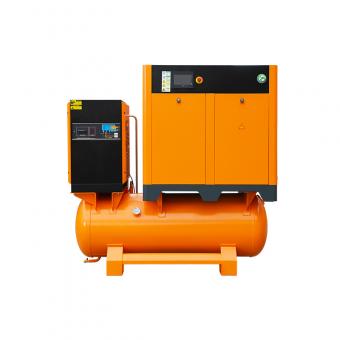
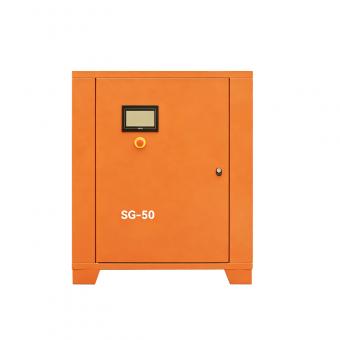
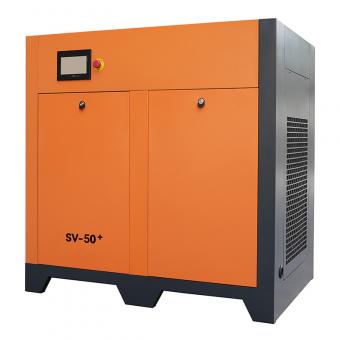
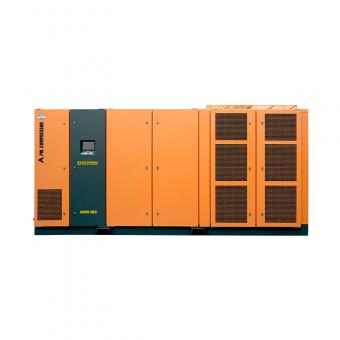
Huade Group นำเสนอเครื่องอัดอากาศแบบสกรูครบวงจร ครอบคลุมกำลังตั้งแต่ 5 HP ถึง 480 HP พร้อมตัวเลือกทั้งแบบความเร็วคงที่ แบบปรับความถี่ (VSD) และแบบปราศจากน้ำมัน ผลิตภัณฑ์ของเราส่งออกไปยังกว่า 50 ประเทศและภูมิภาคทั่วโลก ไม่ว่าคุณจะอยู่ในขั้นตอนการเลือกซื้อหรือต้องการอัปเกรดด้านเทคนิค ทีมวิศวกรของเราพร้อมให้บริการประเมินระบบฟรีและโซลูชันที่ปรับแต่งตามความต้องการ


 IPv6 รองรับเครือข่าย
 English
 français
 Deutsch
 русский
 español
 português
 日本語
日本語 한국의
한국의 ไทย
ไทย 中文
中文